The Difference Between Bad Sleep and a Sleep Disorder
Reviewed by our editorial team
Last updated: 2026-04-01
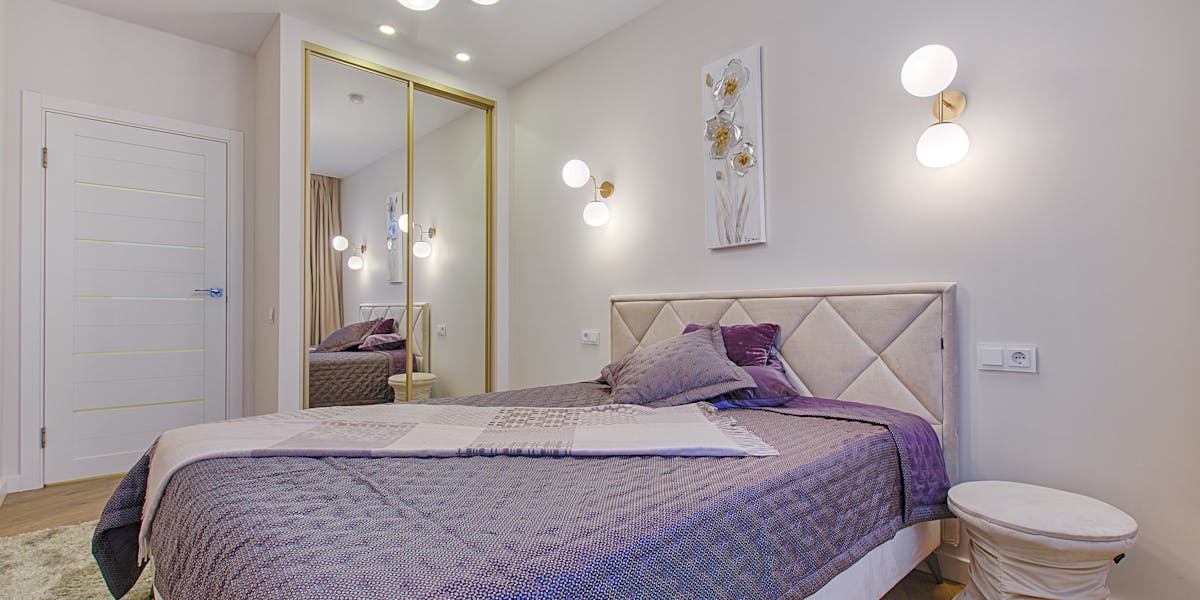
It is a common misconception that everyone who sleeps poorly has a sleep disorder. In reality, many people suffer from 'bad sleep' due to poor habits, environmental factors, or lifestyle choices that are entirely within their control. A sleep disorder, by contrast, is a physiological or psychological condition that disrupts the body's ability to regulate sleep.
Distinguishing between the two is the key to finding the right solution. If you have bad sleep habits, medical treatment won't help as much as a lifestyle change. If you have a disorder, all the sleep hygiene in the world may not be enough to fix the underlying problem.
The Root Cause: Habit vs. Biology
Bad sleep is often a result of external choices. This includes 'revenge bedtime procrastination' (staying up late to reclaim personal time), drinking caffeine too late in the day, or keeping an inconsistent sleep schedule. In these cases, the body is capable of sleeping well, but it is being prevented from doing so by behavior.
A sleep disorder is rooted in internal dysfunction. For someone with sleep apnea, the physical structure of their airway or the signals from their brain are the problem. For someone with narcolepsy, it is a lack of specific brain chemicals. No amount of 'going to bed earlier' will resolve these biological issues.
Response to Sleep Hygiene
A great way to tell the difference is your response to improved sleep hygiene. Sleep hygiene involves practices like keeping a dark room, avoiding screens before bed, and maintaining a cool temperature. If you implement these changes and your sleep improves within a week or two, you likely just had poor sleep habits.
If you have perfect sleep hygiene—you exercise, avoid alcohol, use white noise, and have a strict schedule—but you still wake up exhausted or can't fall asleep, you likely have a sleep disorder. Disorders persist despite a person's best efforts to create a perfect sleep environment.
The 'Environmental' Factor
Sometimes what we think is a sleep disorder is actually a reaction to our environment. A partner who snores, a streetlamp outside the window, or a mattress that is too soft can all cause 'bad sleep.' This is an external disruption of otherwise healthy sleep architecture.
A sleep disorder, however, follows you. If you go to a quiet hotel or a different bedroom and the symptoms (like gasping for air, restless legs, or racing thoughts) continue exactly as they were, the problem is within your body, not your bedroom.
Predictability and Control
Bad sleep is usually predictable and controllable. If you drink three espressos at 4 PM, you know you won't sleep well. You have control over the cause. Sleep disorders are often unpredictable; you might have a 'good night' followed by three 'bad nights' for no apparent reason.
This lack of control is a hallmark of disorders like insomnia or circadian rhythm disturbances. The sleeper feels at the mercy of their body, leading to anxiety and frustration. Understanding this distinction helps patients move from self-blame to seeking medical assistance.
When to Speak With a Doctor
If you have tried improving your sleep habits for at least two weeks with no change in your energy levels or sleep quality, see a doctor.
Frequently Asked Questions
References
- [1]National Sleep Foundation. Sleep Hygiene vs. Sleep Disorders.
- [2]Johns Hopkins Medicine. Up All Night? Is it Insomnia or Just a Bad Night?
- [3]American Psychological Association. Why We Sleep.
The information on this page is for educational purposes only and is not a substitute for professional medical advice. Always consult a qualified healthcare provider for diagnosis and treatment.