Optimising Your Bedroom Environment for Sleep
Reviewed by our editorial team
Last updated: 2026-04-01
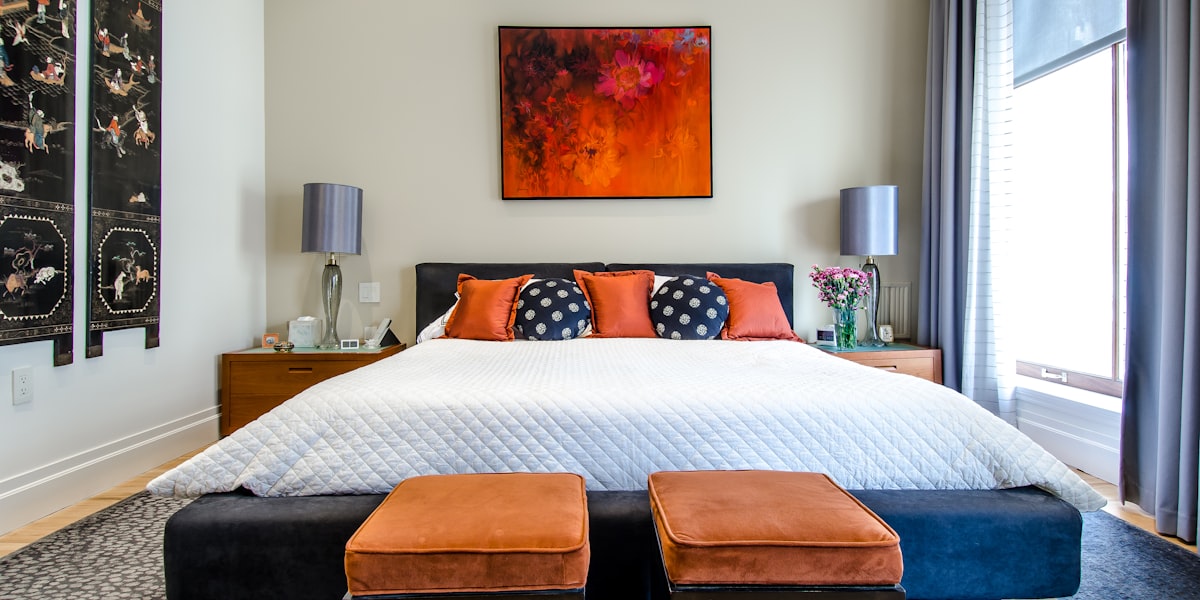
The environment in which you sleep is not a minor factor — it is a fundamental determinant of sleep quality. The brain's sleep systems evolved in environments that were dark at night, relatively cool, quiet, and free from stimulating demands. Modern bedrooms frequently violate all of these conditions simultaneously. Understanding what the research says about each environmental factor — and making targeted changes — can produce meaningful improvements in sleep quality even without other interventions.
Temperature: The Most Important Physical Variable
Core body temperature is one of the primary signals the brain uses to regulate sleep. As the body prepares for sleep, core temperature drops — falling by approximately 1–2°C in the hours before and after sleep onset. This thermoregulatory shift is not a consequence of sleep; it is a prerequisite for it. A warm environment that prevents this drop will delay sleep onset, reduce slow-wave deep sleep, and increase night-time waking.
Research consistently finds that the optimal bedroom temperature for sleep for most adults is between 15.5°C and 19°C (60–67°F). Individual preferences vary somewhat, but the biological optimum is clearly on the cooler side. This is why most people find it harder to sleep in summer heat and easier in a cool bedroom with heavy blankets.
Practical strategies for temperature management:
- Set the thermostat to the cooler end of the range if you have heating control
- Use breathable, natural-fibre bedding — cotton and linen regulate temperature better than synthetic fibres or memory foam, which trap heat
- Use layers rather than one heavy duvet — easier to adjust mid-night if your temperature changes
- A warm bath or shower taken 1–2 hours before bed counterintuitively promotes sleep by drawing blood to the skin surface, allowing faster core temperature drop when you exit the bath
- Consider cooling mattress pads or water-cooled mattress toppers if heat is a persistent problem
- If bed-sharing with a partner who has significantly different temperature needs, separate duvets (common in Scandinavia) solve most conflicts
Light: Why Darkness Matters More Than You Think
Light is the primary regulator of melatonin secretion — the hormone that signals biological nighttime to the body. The pineal gland begins releasing melatonin as ambient light levels fall in the evening. Even relatively dim artificial light (as low as 10 lux — approximately a domestic lamp) can suppress melatonin production measurably. Bedroom light sources, therefore, are more disruptive to sleep biology than most people realise.
Sources of light to address in the bedroom:
- Street light and early morning sun: Use blackout curtains or blackout roller blinds to achieve complete darkness. Standard curtains, even thick ones, admit substantial light particularly in summer. A good sleep mask is an effective alternative if modifying the room is not possible.
- Standby and charge lights: LEDs on televisions, smoke alarms, phone chargers, and other electronics emit blue-shifted light that can disturb sleep in sensitive individuals. Electrical tape over these LEDs is a simple fix.
- Alarm clock displays: Bright red or blue clock displays are both a light source and an invitation to check the time during wakings (which increases arousal). Turn the clock face away or replace with a phone alarm so you do not see the time during night wakings.
- Night lights: If a night light is needed for safety, use amber or red-toned lights — these wavelengths are far less disruptive to melatonin than blue or white light.
Morning light is the flip side of this: opening curtains or going outside immediately after waking to receive morning sunlight is one of the most powerful circadian anchors available, helping to reinforce a consistent sleep-wake cycle.
Noise: Managing the Soundscape
The sleeping brain does not become fully insensitive to sound. Research shows that noise events — traffic, voices, snoring partners — cause arousal responses even during deep sleep, fragmenting sleep quality even when the person does not consciously wake. The arousal threshold varies by noise type: meaningful sounds (your own name, a baby crying) are more arousing than unintelligible background noise at the same volume.
Strategies for noise management:
- White noise or pink noise: A fan, air purifier, or dedicated sound machine generating steady broadband noise effectively masks intermittent disruptive sounds (traffic, a snoring partner, external voices) by raising the noise floor. This reduces the signal-to-noise ratio of disruptive sounds, making them less likely to trigger arousal. Many people find white noise actively promotes relaxation.
- Earplugs: Foam or custom-moulded earplugs reduce noise exposure by 20–30 decibels and are very effective for noise-sensitive sleepers or those sharing a room with a snorer. A limitation is that they may prevent you from hearing a baby or alarm.
- Snoring partners: If a bed partner's snoring is disrupting your sleep, this needs clinical attention — not just noise management. Chronic loud snoring should be evaluated for obstructive sleep apnea, which has serious health consequences for the snorer beyond its impact on your sleep.
- Structural noise reduction: Heavy curtains, rugs, upholstered furniture, and door weather stripping all reduce noise transmission into the bedroom from outside.
Mattress, Pillow, and Bedding Quality
Sleep surface quality is often underestimated as a sleep variable. An unsupportive mattress can cause or exacerbate back and neck pain, leading to frequent position changes and night-time awakening. Pillow height and firmness affect airway alignment, which has particular relevance to snoring.
There is no universally "best" mattress — optimal firmness depends on body weight, sleep position, and personal preference. Research on mattress firmness suggests that medium-firm mattresses are associated with better sleep outcomes and less back pain than very soft or very firm surfaces for most adults. However, if your mattress is comfortable and not causing pain, replacing it is unlikely to dramatically improve sleep.
Pillows should support the head and neck in neutral alignment. Side sleepers generally need thicker, firmer pillows; back sleepers need medium support; stomach sleepers (a position that strains the neck and is generally not recommended) need thin or no pillow. Most pillows lose their support within 1–2 years and should be replaced.
Bedding hygiene matters more than the materials themselves — allergens in pillows and mattresses (dust mites, pet dander) are a significant trigger for sleep-disrupting congestion and allergic rhinitis. Hypoallergenic covers on pillows and mattresses, regular washing of bedding at 60°C or above, and keeping pets out of the bedroom significantly reduce allergen load.
The Psychological Environment: Association and Stimulus Control
Beyond the physical environment, the psychological associations you have built with your bedroom profoundly affect sleep. People with chronic insomnia often describe becoming alert and anxious the moment they enter the bedroom — because the bedroom has been conditioned (through years of lying awake there) as a cue for wakefulness and worry.
Stimulus control therapy — a cornerstone of CBT-I — addresses this by restricting bedroom activities to sleep and intimacy only. Working, browsing, eating, or watching television in bed gradually erodes the bed-sleep association. The more activities compete with sleep in the bedroom, the weaker the conditioned signal that tells your brain "this is the place for sleep."
When to Speak With a Doctor
If you share a bed with a partner who snores loudly, gasps, or stops breathing during sleep, this is a clinical issue for them that deserves medical evaluation — not just a noise problem for you to manage. Obstructive sleep apnea is associated with serious cardiovascular risk, and effective treatment with CPAP not only protects their health but typically resolves or dramatically reduces the snoring that is disrupting your sleep.
References
- Okamoto-Mizuno K, Mizuno K. Effects of thermal environment on sleep and circadian rhythm. Journal of Physiological Anthropology. 2012;31(1):14.
- Harding EC, Franks NP, Wisden W. The temperature dependence of sleep. Frontiers in Neuroscience. 2019;13:336.
- Basner M, et al. Auditory and non-auditory effects of noise on health. The Lancet. 2014;383(9925):1325–1332.
- Chang AM, et al. Evening use of light-emitting eReaders negatively affects sleep. PNAS. 2015;112(4):1232–1237.