Is Napping Bad for You? The Science of Naps
Reviewed by our editorial team
Last updated: 2026-04-01
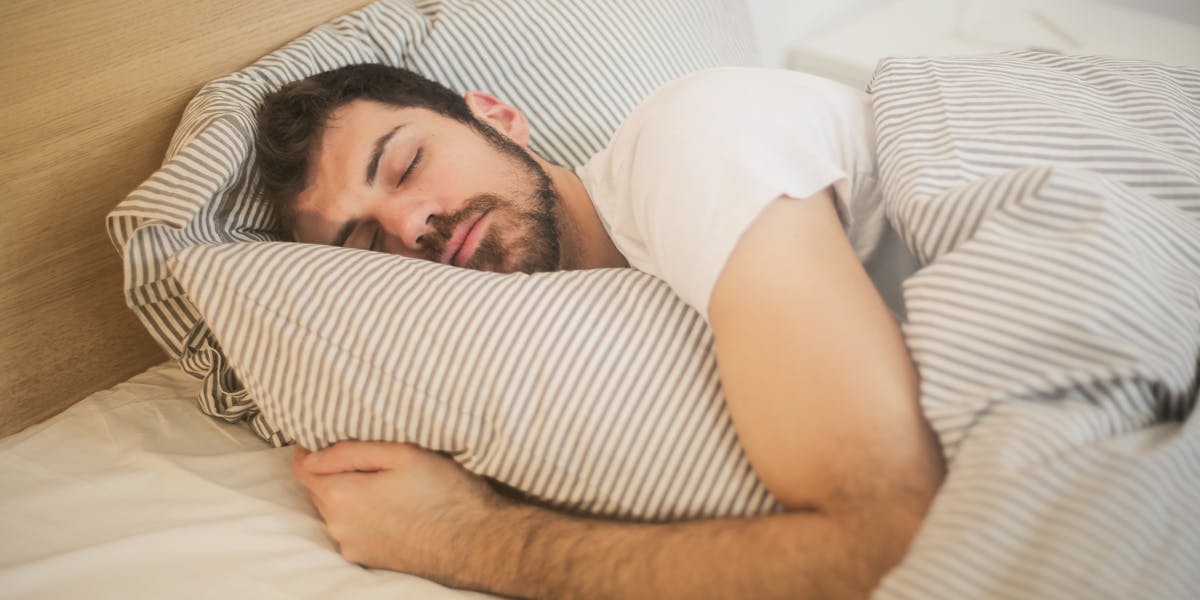
Napping sits in a complicated position in sleep medicine. For healthy individuals who sleep well at night, a well-timed nap is a genuinely powerful tool — improving alertness, cognitive performance, mood, and even cardiovascular health. For people with insomnia, the same nap can be deeply counterproductive, eroding the drive to sleep at night and perpetuating the very problem they are trying to solve. Whether napping is beneficial or harmful depends almost entirely on context.
The Biology of Napping: Why We Get Sleepy in the Afternoon
The post-lunch sleepiness that many people experience between 1pm and 3pm is not caused by lunch — it is a biological phenomenon driven by the circadian rhythm. Humans, like most mammals, show a genetically programmed dip in alertness in the early afternoon, separate from the main sleep period. This "post-prandial dip" (or "siesta time") appears to be a default feature of human biology, not a cultural invention.
Sleep drive (the adenosine-driven pressure to sleep) also rises progressively from morning through the day, so by early afternoon it has accumulated substantially from the morning start. Together, these factors create the characteristic mid-afternoon drowsiness that makes napping feel natural.
Many cultures around the world — Spain, Italy, Greece, China, and many tropical regions — have historically incorporated napping into daily life. Research consistently shows that regular nappers in these cultures do not have worse nighttime sleep than non-nappers, suggesting that when napping is culturally and biologically integrated, it is not inherently disruptive.
The Benefits of Strategic Napping
For healthy individuals without chronic insomnia, the evidence for strategic short napping is remarkably strong:
- Alertness and cognitive performance: A 10–20 minute nap produces improvements in alertness, reaction time, and cognitive performance lasting 2–3 hours. NASA research on military pilots found that a 40-minute nap improved performance by 34% and alertness by 100%.
- Memory consolidation: Both short naps and longer naps (60–90 minutes) involving REM sleep promote the consolidation of recently learned information. Students who napped after learning material significantly outperformed non-nappers on recall tests.
- Mood and emotional regulation: Short naps reduce frustration, irritability, and emotional reactivity. Adequate sleep — including naps — reduces amygdala reactivity to emotional stimuli.
- Cardiovascular health: A prospective study of over 23,000 Greeks found that habitual nappers (3+ times per week) had a 37% lower coronary mortality than non-nappers. While causality is complex, regular daytime rest appears associated with cardiac benefit.
- Reducing accident risk: Short naps before long drives or night shifts dramatically reduce drowsy driving incidents. Many transport safety organisations recommend strategic pre-shift napping.
When Napping Is Harmful
Despite these benefits, napping is not universally appropriate. The contexts in which napping is clearly counterproductive include:
- People with chronic insomnia: This is the most important contraindication. Insomnia treatment depends on building homeostatic sleep pressure (adenosine) throughout the day, so that when bedtime arrives, the drive to sleep is strong. Napping discharges this pressure and can mean that by 10–11pm, the sleep drive is insufficient for easy sleep onset. For people following CBT-I, daytime napping is typically prohibited — particularly the sleep restriction phase.
- Late afternoon or evening naps: Napping after 4pm significantly competes with nighttime sleep for most people, delaying sleep onset and fragmenting the first half of the night. If you find yourself regularly wanting to nap at 6–8pm, this may be a sign of chronically insufficient or poor-quality nighttime sleep warranting investigation.
- Very long naps: Naps extending beyond 30 minutes involve entry into slow-wave sleep stages. Waking during slow-wave sleep produces sleep inertia — a state of pronounced grogginess, disorientation, and reduced cognitive performance that can last 30–60 minutes and make the nap counterproductive in terms of immediate functioning.
Nap Duration: What the Evidence Shows
The relationship between nap duration and outcome is non-linear and worth understanding:
- 5–10 minutes: Very short naps produce rapid improvements in alertness and are associated with virtually no sleep inertia. Even 6 minutes has been shown to improve memory consolidation. These are sometimes called "micro-naps."
- 10–20 minutes ("power nap"): The sweet spot for most purposes. Enough time to reach light sleep stages (N1 and N2) which are restorative and produce alertness benefits, but short enough to avoid slow-wave sleep and the associated sleep inertia. Most people find they can wake relatively easily and feel immediately alert.
- 30–60 minutes: Risks entering slow-wave sleep, producing sleep inertia on waking. However, after the inertia resolves (15–30 minutes), performance benefits are significant and lasting. Worth the investment if you have time, but not suitable before driving or immediately before work that requires full alertness.
- 90 minutes: A full sleep cycle — the ideal duration if you have time. Encompasses N1, N2, slow-wave, and REM sleep. Benefits are comprehensive (alertness, mood, memory), and sleep inertia is minimal because you wake near the natural end of a sleep cycle rather than during deep sleep.
When to Speak With a Doctor
If you are napping every day because you simply cannot stay awake — and this is happening despite getting 7–8 hours in bed at night — this should be discussed with a doctor. Excessive daytime sleepiness that cannot be controlled with willpower is not normal tiredness; it may be a sign of obstructive sleep apnea, narcolepsy, or another sleep disorder that requires proper evaluation and treatment.
The "Nappuccino": Timing Caffeine with Napping
One of the more counterintuitive napping techniques with good evidence behind it is the "caffeine nap" (popularly called a "nappuccino"). It works by exploiting the 20-minute delay between caffeine ingestion and its peak adenosine-blocking effect in the brain.
The technique: drink a cup of coffee (or equivalent caffeine) immediately before a 20-minute nap. Set an alarm for 20–25 minutes. The caffeine reaches peak effect just as you wake from the nap. Studies have found caffeine naps produce significantly greater improvements in alertness than either caffeine alone or a nap alone — the nap clears some adenosine from receptors, and the caffeine then blocks the remaining adenosine simultaneously.
This technique is particularly useful for shift workers, long-distance drivers, and anyone needing maximal alertness after a short rest period.
Napping by Population Group
- Shift workers: Pre-shift naps (before a night shift) are strongly recommended — they reduce drowsiness and error rates and reduce accident risk. A 90-minute nap before a night shift is ideal if time permits.
- Older adults: Daytime napping is more common with age and does not necessarily reflect poor nighttime sleep. However, napping in older adults is sometimes a sign of underlying sleep apnea or depression worth investigation.
- Athletes: Recovery napping is increasingly used in elite sport for both physical recovery and cognitive performance. Afternoon naps (30–90 minutes) are beneficial when incorporated consistently.
- People with narcolepsy: Scheduled short naps (10–20 minutes, 2–3 times per day) are an important management tool that reduces uncontrolled sleep attacks and reduces medication requirements.
References
- Mednick S, Nakayama K, Stickgold R. Sleep-dependent learning: a nap is as good as a night. Nature Neuroscience. 2003;6(7):697–698.
- Takahashi M, Arito H. Maintenance of alertness and performance by a brief nap after lunch under prior sleep deficit. Sleep. 2000;23(6):813–819.
- Naska A, et al. Siesta in healthy adults and coronary mortality in the general population. Archives of Internal Medicine. 2007;167(3):296–301.
- Hayashi M, Watanabe M, Hori T. The effects of a 20-min nap in the mid-afternoon on mood, performance and EEG activity. Clinical Neurophysiology. 1999;110(2):272–279.