Napping and Its Effect on Nighttime Sleep | Pros and Cons
Reviewed by our editorial team
Last updated: 2026-04-01
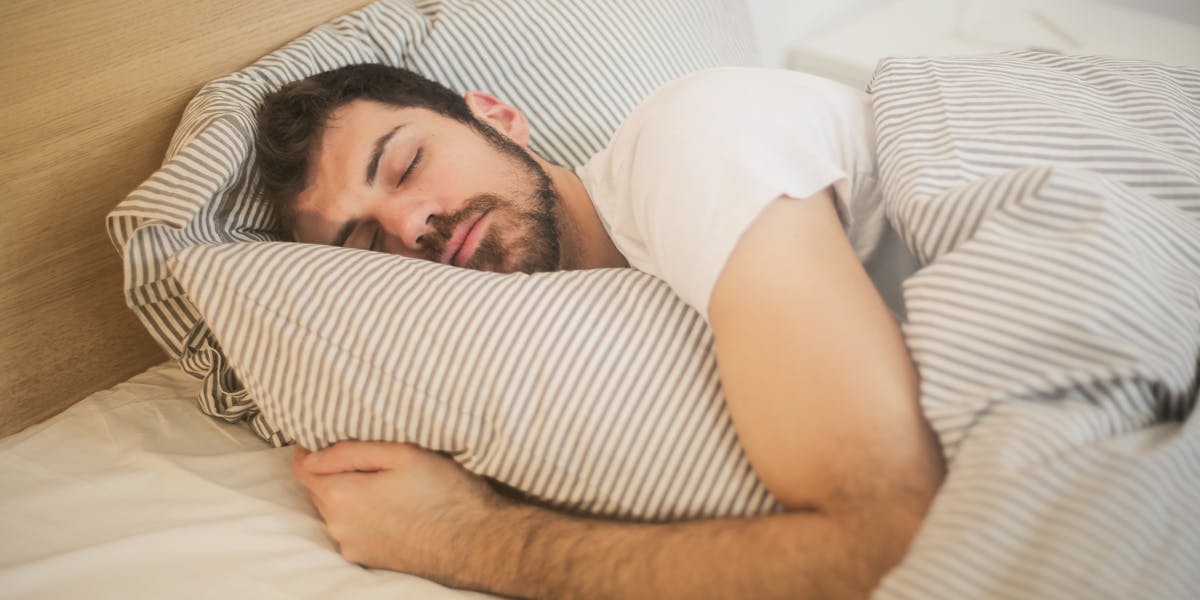
Napping can be a double-edged sword when it comes to sleep health. While a well-timed nap can provide a needed boost in alertness, mood, and cognitive performance, an poorly timed or excessively long nap can disrupt your ability to fall asleep at night, leading to a frustrating cycle of insomnia and daytime fatigue.
Understanding the 'sleep pressure' system is key to mastering the art of the nap. Sleep pressure builds throughout the day while you are awake; napping 'vents' some of this pressure. If you vent too much during the day, you won't have enough left to fall asleep easily when evening comes.
The Benefits of Power Napping
Short 'power naps' of 10 to 20 minutes can be incredibly effective for improving alertness and performance without causing 'sleep inertia'—that groggy feeling you get when you wake up from a deep sleep. These short naps stay within the lighter stages of sleep, making it easier to wake up and get back to your day.
For shift workers or people facing a period of sleep deprivation, strategic napping can help maintain safety and function. Even a short rest can help bridge the gap until a full night's sleep is possible.
When Napping Becomes a Problem
Napping for more than 30 minutes often leads to the brain entering deeper stages of sleep. Waking up from these stages can leave you feeling more tired than before you slept. Furthermore, long naps significantly reduce your sleep drive for the night, making nighttime insomnia more likely.
If you find yourself needing a long nap every day, it may be a sign of an underlying sleep disorder, such as sleep apnea or narcolepsy, or a chronic lack of quality nighttime sleep. In these cases, the nap is a symptom rather than the solution.
Rules for Healthy Napping
To avoid disrupting your nighttime sleep, follow two main rules: keep it short and keep it early. Aim for a nap of no more than 20 minutes, and try to take it before 3:00 PM. Napping late in the afternoon is much more likely to interfere with your ability to fall asleep at your regular bedtime.
Create a conducive environment for your nap. Just like nighttime sleep, a nap is more effective in a quiet, dark, and cool space. Using an alarm is essential to ensure you don't oversleep and enter those deeper, harder-to-wake-from stages.
Napping and Specific Conditions
For people with chronic insomnia, sleep experts often recommend avoiding naps altogether. Eliminating daytime sleep helps maximize the sleep pressure for the evening, which is a key component of Cognitive Behavioral Therapy for Insomnia (CBT-I).
In contrast, for individuals with narcolepsy, short scheduled naps throughout the day are often a central part of managing their condition and maintaining alertness. It's important to tailor your napping habits to your specific health needs and sleep patterns.
Frequently Asked Questions
References
- [1]Milner, C. E., & Cote, K. A. (2009). Benefits of napping in healthy adults.
- [2]Sleep Foundation. (2023). Napping: Benefits and Tips.
- [3]Mayo Clinic. (2022). Napping: Do's and don'ts for healthy adults.
The information on this page is for educational purposes only and is not a substitute for professional medical advice. Always consult a qualified healthcare provider for diagnosis and treatment.