Sleep Disorders in Children | Pediatric Sleep Health
Reviewed by our editorial team
Last updated: 2026-04-01
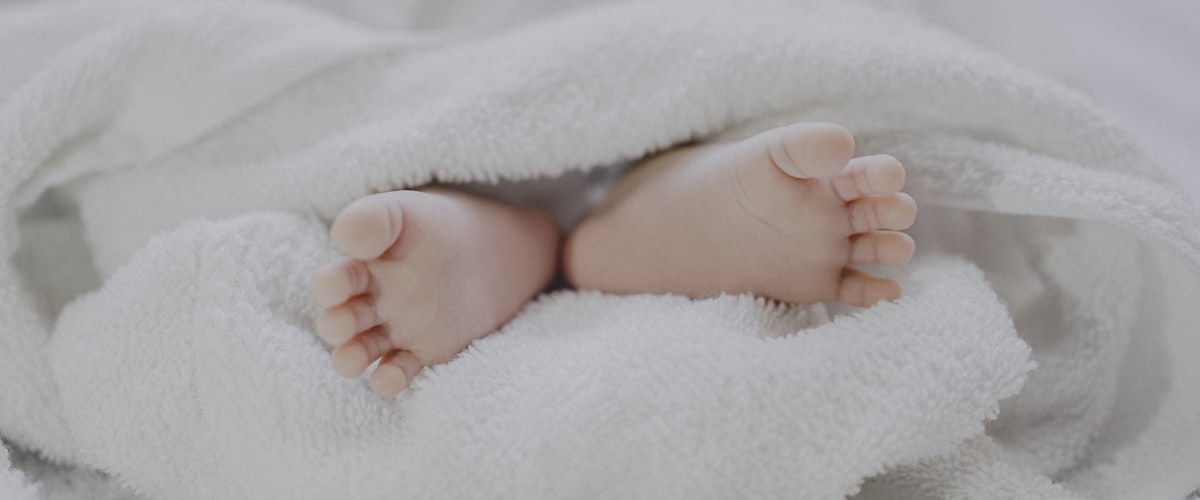
Sleep is a fundamental pillar of a child's health, growth, and development. During childhood, the brain undergoes rapid maturation, and sleep plays a critical role in memory consolidation, emotional regulation, and the release of growth hormones. However, many children experience sleep disturbances that can affect their daytime behavior, school performance, and overall well-being.
Pediatric sleep disorders are often distinct from those found in adults and may present differently. While an adult with sleep deprivation might appear tired and sluggish, a sleep-deprived child may exhibit hyperactivity, irritability, or difficulty with impulse control. Identifying and addressing these issues early is essential for long-term health.
Common Pediatric Sleep Problems
One of the most common issues in children is behavioral insomnia of childhood, which often involves difficulty falling asleep without a parent present or frequent nighttime awakenings. This is typically managed through consistent bedtime routines and sleep training techniques that encourage self-soothing.
Parasomnias, such as sleepwalking and night terrors, are also frequent in children. Night terrors, in particular, can be distressing for parents as the child may scream and appear terrified while remaining deeply asleep. Most children outgrow these conditions as their nervous systems mature.
Obstructive Sleep Apnea in Children
While often associated with adults, obstructive sleep apnea (OSA) affects approximately 1% to 5% of children. In pediatrics, the primary cause is often enlarged tonsils or adenoids rather than obesity. Children with OSA may snore loudly, breathe through their mouths, or have restless sleep.
Untreated pediatric OSA has been linked to growth delays, cardiovascular issues, and ADHD-like symptoms. If a child snores regularly or shows signs of labored breathing during sleep, a consultation with a pediatric sleep specialist or an ENT is highly recommended.
The Impact of Sleep on Behavior and Learning
Sleep-deprived children often struggle with executive functions, which are the mental processes that enable us to plan, focus attention, and juggle multiple tasks. This can lead to poor academic performance and social difficulties. In many cases, what looks like a learning disability or a behavioral disorder is actually a sleep problem.
Chronic lack of sleep also affects the immune system, making children more susceptible to common illnesses. Ensuring a child gets the recommended amount of sleep—which varies by age—is one of the most effective ways to support their physical and mental resilience.
Strategies for Better Childhood Sleep
Establishing a consistent, calming bedtime routine is the foundation of good pediatric sleep hygiene. This might include a warm bath, reading a book, and ensuring the bedroom is a quiet, dark, and screen-free environment. Consistency between different caregivers is also key to helping a child feel secure.
Limit stimulating activities and heavy meals in the hours leading up to bedtime. It's also important to ensure the child has plenty of physical activity and natural light exposure during the day, as these factors help regulate their internal sleep-wake cycle.
Frequently Asked Questions
References
- [1]American Academy of Pediatrics. (2022). Sleep Tips for Families.
- [2]Mindell, J. A., & Owens, J. A. (2015). A Clinical Guide to Pediatric Sleep.
- [3]Sleep Foundation. (2023). Children and Sleep.
The information on this page is for educational purposes only and is not a substitute for professional medical advice. Always consult a qualified healthcare provider for diagnosis and treatment.