Idiopathic Hypersomnia
Reviewed by our editorial team
Last updated: 2026-04-01
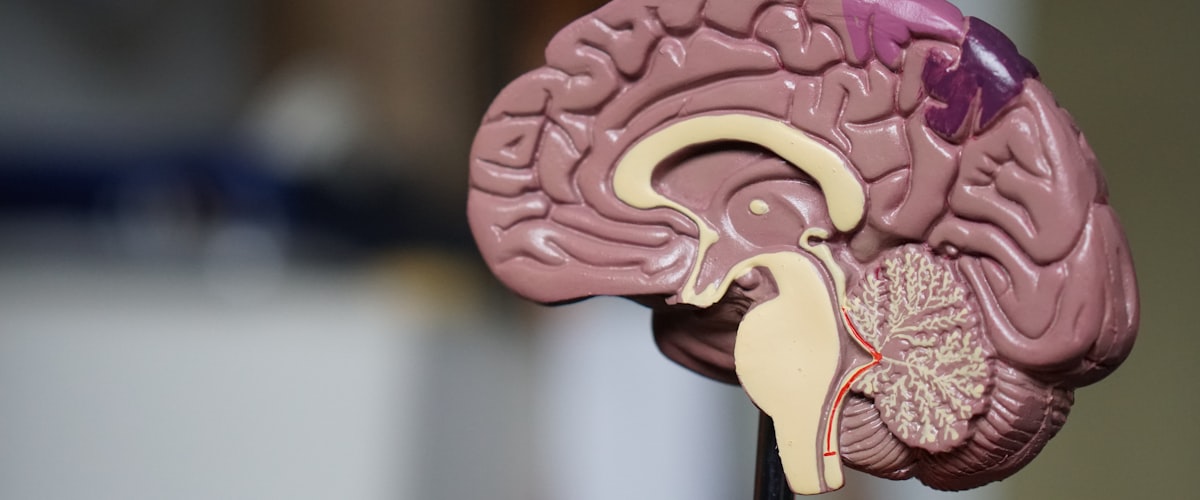
Idiopathic Hypersomnia (IH) is a rare neurological sleep disorder characterized by chronic excessive daytime sleepiness (EDS) despite getting adequate, or even excessive, amounts of nighttime sleep. The term 'idiopathic' means that the cause is unknown. Unlike narcolepsy, people with IH do not typically experience cataplexy or enter REM sleep immediately during naps.
For individuals with IH, sleep is not refreshing. They may sleep 10, 12, or even 14 hours at a stretch and still wake up feeling completely exhausted. This condition is often debilitating, affecting every aspect of a person's life, from their ability to work to their personal relationships and mental health.
The Struggle of 'Sleep Drunkenness'
A hallmark symptom of IH is 'sleep inertia,' commonly referred to as sleep drunkenness. This is an extreme difficulty transitioning from sleep to wakefulness. When woken, the individual may feel intensely groggy, confused, and irritable for an hour or more.
They may repeatedly turn off alarms without remembering it or struggle to perform simple tasks like making coffee. This makes maintaining a standard work or school schedule nearly impossible for many sufferers, as the process of waking up is a daily battle.
Naps: Long and Unrefreshing
In narcolepsy, short naps (20 minutes) are often refreshing. In Idiopathic Hypersomnia, naps are typically long (one to two hours or more) and provide no relief from the sleepiness. The person often wakes up from a nap feeling even worse than before they lay down.
This constant state of sleepiness means that individuals with IH often live in a 'fog.' Their cognitive function is slowed, and they may experience 'automatic behavior'—continuing a task without conscious awareness, often resulting in mistakes or memory gaps.
Diagnostic Challenges
IH is often a 'diagnosis of exclusion.' Doctors must first rule out sleep apnea, chronic sleep deprivation, depression, and other medical causes of fatigue. The standard testing involves a polysomnogram followed by a Multiple Sleep Latency Test (MSLT).
On the MSLT, a person with IH will fall asleep very quickly (usually in less than 8 minutes) but will not show the 'sleep-onset REM periods' (SOREMPs) that are characteristic of narcolepsy. Additionally, a 24-hour sleep recording may be used to document the total amount of time spent asleep.
Current Treatment Options
There is currently no cure for IH, and management focuses on symptom control. Wake-promoting medications like modafinil and armodafinil are the standard first-line treatments. Recently, some medications used for narcolepsy, like oxybates, have been approved specifically for IH to help improve nighttime sleep quality and reduce daytime sleepiness.
Behavioral strategies are less effective for IH than for other sleep disorders, but maintaining a strict schedule and avoiding 'sleep-inducing' environments can help. Many patients also find that they must plan their lives around their sleepiness, choosing flexible careers and social lives that accommodate their need for long sleep periods.
When to Speak With a Doctor
If you regularly sleep more than 10 hours a day and still feel exhausted, or if you have extreme difficulty waking up, consult a sleep specialist.
Frequently Asked Questions
References
- [1]Hypersomnia Foundation. About Idiopathic Hypersomnia.
- [2]American Academy of Sleep Medicine. International Classification of Sleep Disorders.
- [3]Journal of Clinical Sleep Medicine. Treatment of Idiopathic Hypersomnia.
The information on this page is for educational purposes only and is not a substitute for professional medical advice. Always consult a qualified healthcare provider for diagnosis and treatment.