Understanding Narcolepsy
Reviewed by our editorial team
Last updated: 2026-04-01
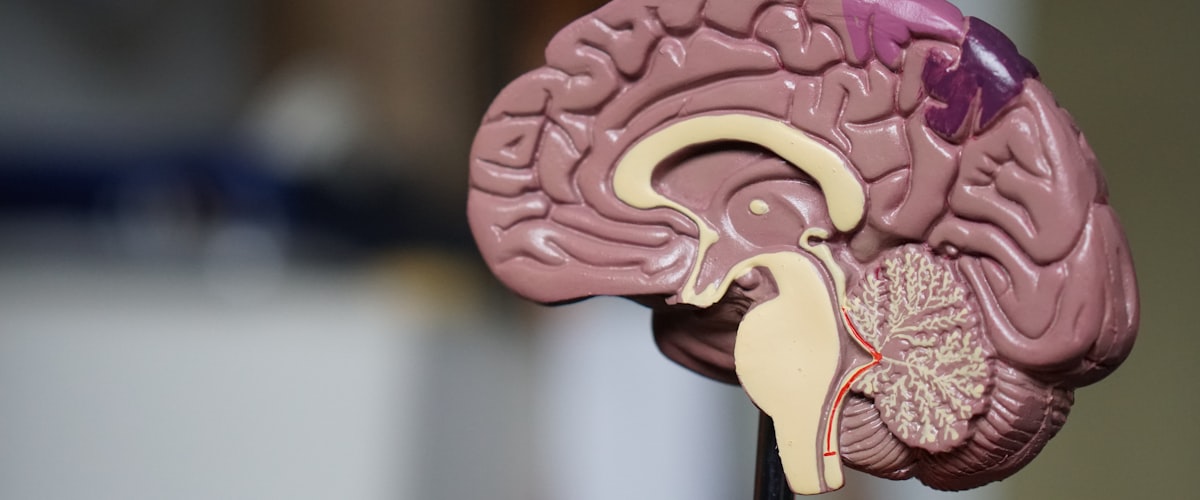
Narcolepsy is a chronic neurological disorder affecting the brain's ability to regulate the sleep-wake cycle. People with narcolepsy experience excessive daytime sleepiness, sudden uncontrollable episodes of sleep, and in many cases, sudden muscle weakness triggered by strong emotions. Though relatively rare, it is a serious and frequently misdiagnosed condition that profoundly affects daily functioning, safety, and quality of life.
What Is Narcolepsy?
In healthy sleep, the body progresses through a series of stages, with REM (rapid eye movement) sleep — the stage associated with vivid dreaming — typically occurring about 90 minutes after falling asleep. In narcolepsy, this regulation breaks down. The brain intrudes REM sleep elements into wakefulness and switches between sleep and wake states unpredictably, blurring the boundary between sleeping and being awake.
Narcolepsy affects approximately 1 in 2,000 people. It most commonly first presents in adolescence or early adulthood, though it can emerge at any age. Because its symptoms overlap with many other conditions — depression, chronic fatigue, ADHD, and medication side effects — the average time from symptom onset to formal diagnosis is 10–15 years in many countries.
There are two primary subtypes:
- Narcolepsy Type 1 (NT1): Characterised by the presence of cataplexy (sudden muscle weakness triggered by emotions) and very low levels of the neuropeptide orexin (hypocretin) in the cerebrospinal fluid. NT1 is thought to be caused by autoimmune destruction of the orexin-producing neurons in the hypothalamus.
- Narcolepsy Type 2 (NT2): Features excessive daytime sleepiness without cataplexy, and orexin levels are normal or only mildly reduced. The cause is less well understood. NT2 can sometimes evolve into NT1 over time.
The Core Symptoms of Narcolepsy
Narcolepsy is classically described by a tetrad of four symptoms, though not all individuals will experience all four:
Excessive Daytime Sleepiness (EDS)
The universal symptom of narcolepsy, and often the most disabling. People describe EDS as a persistent, overwhelming drowsiness — not simply the tiredness everyone feels after a poor night's sleep, but an irresistible pull toward sleep that intrudes constantly on daily life. Sleep attacks — sudden, uncontrollable episodes of sleep — can occur mid-conversation, while eating, or even while driving. People with narcolepsy may fall asleep within seconds of sitting still.
After waking from a sleep attack, the person typically feels temporarily refreshed — a feature that distinguishes narcolepsy from other causes of EDS — but the drowsiness returns quickly.
Cataplexy
Cataplexy is the sudden, temporary loss of muscle tone triggered by strong positive emotions — typically laughter, excitement, surprise, or anticipation. Less often, anger or embarrassment can trigger episodes. The loss of muscle tone ranges from subtle (a slight drooping of the eyelids or sagging of the jaw) to complete collapse of all muscle groups. Critically, consciousness is maintained throughout the episode — the person is awake and aware but physically unable to move.
Episodes typically last seconds to two minutes and resolve on their own. Cataplexy is considered pathognomonic for narcolepsy type 1 — its presence alongside EDS is highly diagnostic of the condition.
Sleep Paralysis
A temporary inability to move or speak when falling asleep or waking up, lasting from seconds to a few minutes. The person is conscious but unable to move their limbs or speak. While sleep paralysis also occurs in the general population (affecting up to 8% of people at some point), it is more frequent and distressing in people with narcolepsy.
Hypnagogic and Hypnopompic Hallucinations
Vivid, intensely realistic hallucinations occurring at the transition into sleep (hypnagogic) or upon waking (hypnopompic). These can be visual, auditory, or tactile — people may see threatening figures, hear voices, or feel physical sensations. They represent REM sleep dreaming intruding into semi-wakefulness. These experiences can be profoundly frightening and are sometimes mistaken for psychotic symptoms.
What Causes Narcolepsy?
In narcolepsy type 1, the most established cause is autoimmune destruction of the neurons in the lateral hypothalamus that produce orexin (also called hypocretin) — a neuropeptide that plays a critical role in maintaining wakefulness and inhibiting REM sleep during waking hours. Without orexin, the brain cannot sustain stable wakefulness, and the boundaries between sleep states become unstable.
Evidence supporting an autoimmune mechanism includes:
- A very strong genetic association with the HLA-DQB1*06:02 allele, present in over 90% of people with NT1 (compared to approximately 25% of the general population)
- Clusters of narcolepsy cases following the 2009 H1N1 influenza pandemic and, in some countries, a specific influenza vaccine formulation — suggesting an environmental immune trigger
- Post-mortem evidence showing near-total loss of orexin-producing neurons in NT1 brains
- Measurable immune abnormalities in people with NT1, including autoreactive T cells targeting orexin neurons
The precise trigger for the autoimmune response — why it occurs in some genetically predisposed individuals and not others — remains an active area of research.
How Is Narcolepsy Diagnosed?
Narcolepsy is diagnosed through a combination of clinical evaluation and specialised sleep testing. A sleep neurologist or sleep physician will typically:
- Take a detailed history of all symptoms, their onset, duration, and impact on daily functioning
- Perform an overnight polysomnography (PSG) to rule out other sleep disorders (especially sleep apnea, which can cause similar daytime sleepiness) and to document sleep architecture
- Perform a Multiple Sleep Latency Test (MSLT) the following day. In this test, the patient is given five opportunities to nap at two-hour intervals. People with narcolepsy fall asleep very quickly (mean sleep latency under 8 minutes) and frequently enter REM sleep within 15 minutes of falling asleep. Two or more sleep-onset REM periods (SOREMPs) is considered diagnostic.
- In uncertain cases, measure cerebrospinal fluid (CSF) orexin levels via lumbar puncture — very low orexin levels confirm NT1.
When to Speak With a Doctor
If you or your child experiences recurrent episodes of sudden muscle weakness triggered by laughter or strong emotions, or if excessive daytime sleepiness is significantly impairing your ability to work, study, or drive safely, ask your GP for a referral to a sleep specialist or neurologist. Early diagnosis prevents years of unnecessary suffering and reduces the serious risk of accidents.
Treatment and Management
There is no cure for narcolepsy, but symptoms can be very substantially managed with a combination of medications and behavioural strategies. Most people with narcolepsy are able to live productive lives when well-treated.
- Sodium oxybate (Xyrem / Lumryz): Taken at night, this medication consolidates nocturnal sleep and dramatically reduces both cataplexy and EDS. It is considered the most comprehensive single treatment for NT1, though it is tightly regulated due to abuse potential.
- Wakefulness-promoting agents: Modafinil and armodafinil are the standard first-line treatments for EDS, with a relatively clean side effect profile. Traditional stimulants (methylphenidate, amphetamine salts) are used when modafinil is insufficient.
- Pitolisant (Wakix): A histamine H3 receptor antagonist that increases wakefulness by enhancing histamine signalling. Also reduces cataplexy. A useful option that is not a controlled substance.
- Antidepressants for cataplexy: SNRIs (venlafaxine) and SSRIs suppress REM sleep and thereby reduce cataplexy episodes, often at lower doses than used for depression.
- Scheduled strategic naps: Short naps (10–20 minutes) timed into the day are a powerful, underused management tool. They temporarily reduce EDS and can reduce the need for high stimulant doses.
- Lifestyle and safety: A consistent sleep schedule, informing employers or educational institutions about the diagnosis, and — where clinically appropriate — discussing driving with your doctor are all essential components.
References
- Scammell TE. Narcolepsy. New England Journal of Medicine. 2015;373(27):2654–2662.
- Bassetti CLA, et al. Narcolepsy — clinical spectrum, aetiopathophysiology, diagnosis and treatment. Nature Reviews Neurology. 2019;15(9):519–539.
- Thorpy MJ. Recently approved and upcoming treatments for narcolepsy. CNS Drugs. 2020;34(1):9–27.
- American Academy of Sleep Medicine. International Classification of Sleep Disorders, 3rd edition. 2014.
- Partinen M, et al. Narcolepsy as an autoimmune disease. The Lancet Neurology. 2014;13(6):600–613.